Deepfakes: How They’re Made and Why They’re Dangerous
Deepfakes: How They’re Made & Why They’re Dangerous
A few months ago, a video popped up on my feed that made my heart skip. It showed a well-known factor saying something completely absurd, something he would never say in real life. For a moment, I laughed it off. But then the comments section was full of people arguing, believing, reacting. Only later did I find out the video was a deepfake. And that was the moment I realised: this technology isn’t just something we read about in tech journals anymore. It’s here, everywhere, quietly shaping what we see and believe.
Deepfakes have become one of the most unsettling creations of artificial intelligence. At their surface, they’re fascinating, AI-generated videos or audio recordings that replace someone’s face or voice so convincingly that they feel real. It’s almost magical. But behind that magic lies a powerful, often dangerous tool.
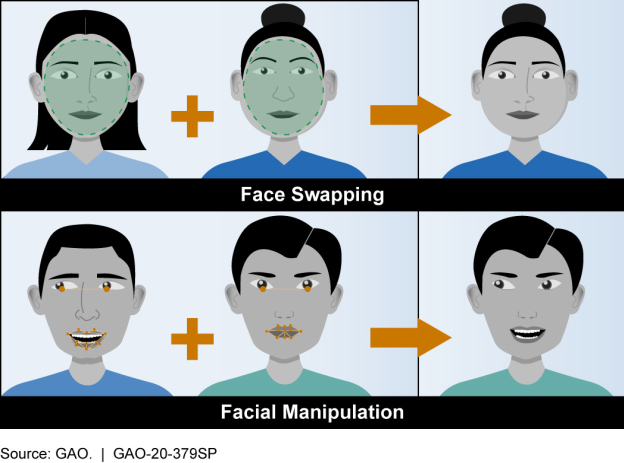
How Deepfakes Are Made (In the Most Human Way Possible)
Imagine teaching someone to imitate your best friend. You’d show them hundreds of photos, videos, voice notes, every expression, every smile, every tone. Deepfake technology works almost the same way.
It begins with data a lot of it. AI is fed countless images and clips of a person so it can learn their tiny details: the way their eyes crinkle when they smile, how they tilt their head, how their voice rises when they’re excited. Then comes the real trick: a type of model called a Generative Adversarial Network (GAN).
Think of GANs as two AI systems constantly arguing with each other:
One tries to create a fake version
The other tries to detect if it’s fake
They compete, improve, compete again, until the fake version becomes nearly impossible to distinguish from reality. After that, editing tools clean up the lighting, sync the lip movements, and smooth out the edges. What’s left looks shockingly real.
A few years ago, you needed coding skills and high-end computers to create deepfakes. Today, a smartphone app and some spare time are enough.
The Dangerous Side We Often Ignore
At first, deepfakes were mostly used for jokes, memes, or movies. But soon, the cracks began to show.
1. They Can Mislead Millions
A fake video of a political leader making an offensive statement or announcing a national crisis could spread online in seconds. In a world where people barely read captions, one manipulated video is enough to ignite chaos. The scariest part? Many won’t wait for fact-checking, they’ll believe what they see.
2. They Can Steal Identity in Seconds
Deepfakes can mimic someone’s voice so well that even banks with voice authentication systems struggle to tell the difference. Imagine getting a call that sounds exactly like your parent or friend asking for urgent help. Many have already fallen for such scams.
3. They Are Used to Harass Real People
This, for me, is the most unsettling part. Deepfake technology has been misused to create non-consensual intimate videos of people, mostly women, who have no idea their faces are being used. The emotional damage, humiliation, and trauma caused by this is unimaginable.
4. They Make Truth Harder to Defend
We’re entering a world where real videos might be called fake and fake videos might be believed. This breakdown of trust, the “liar’s dividend”, might be the most dangerous outcome yet.
So What Can We Do?
On the bright side, the world isn’t sitting still. Tech companies are building detection tools, governments are drafting laws, and platforms are tightening content rules. But technology can only do so much. The rest lies in awareness, ours, as viewers, consumers, and sharers of content.
The next time you see a shocking video that seems “too crazy to be true,” pause for a moment. Look closer. Question it. Because in a world full of AI-generated illusions, our attention is our first line of defence.
Deepfakes aren’t just a tech trend. They’re a lesson in how powerful, and how fragile, our digital reality has become.

Comments
Post a Comment